


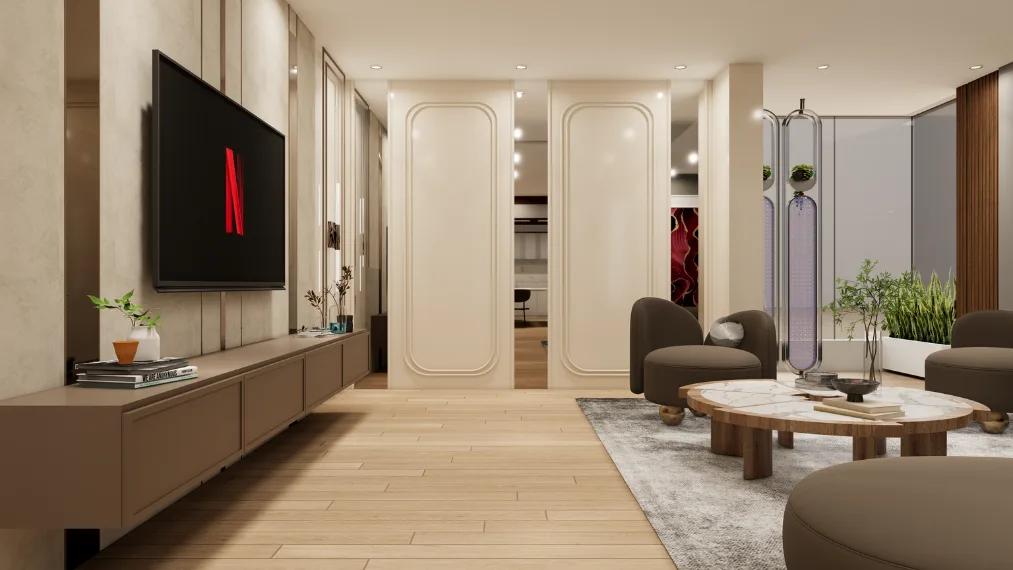
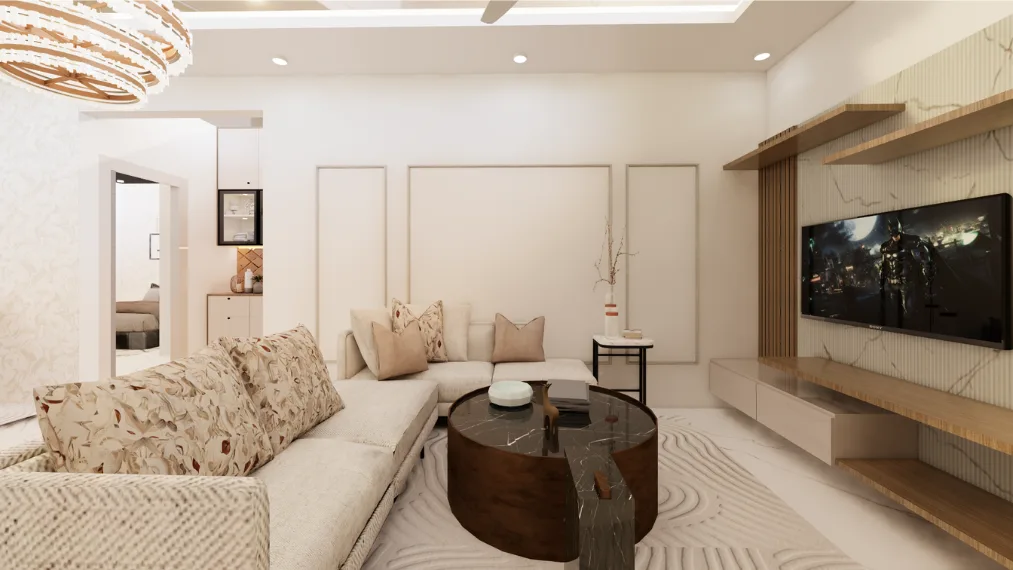
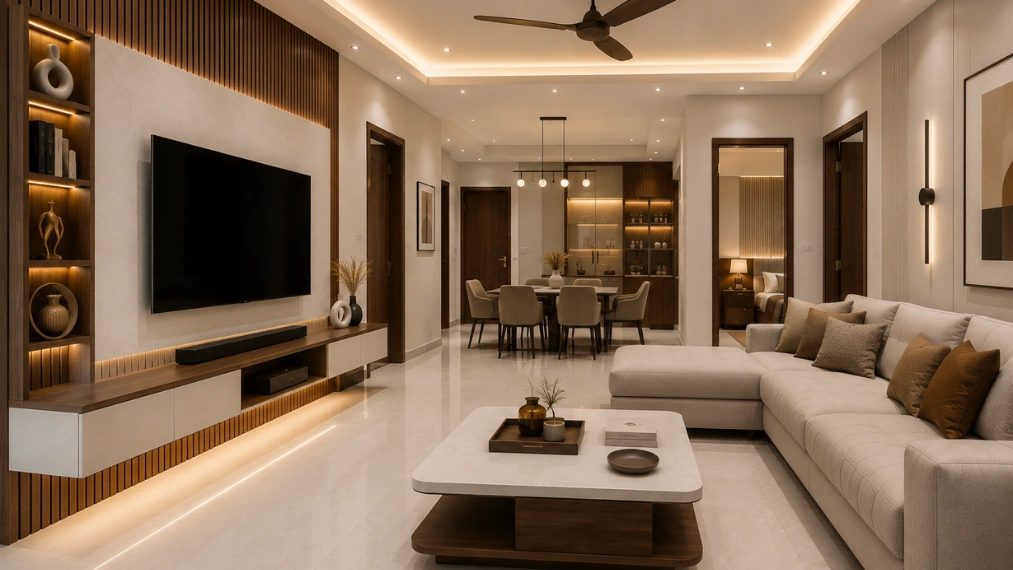
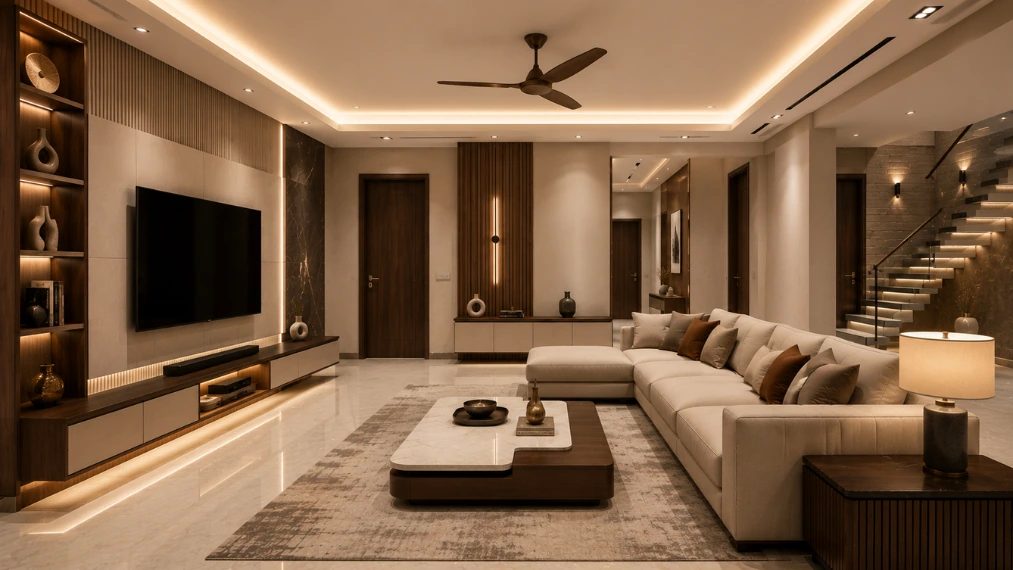
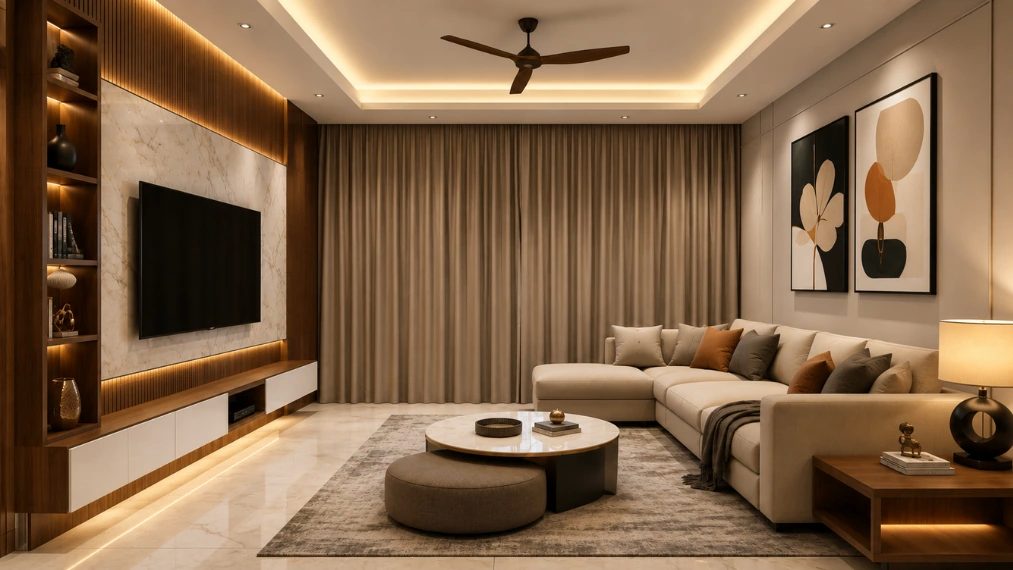
One of the most-used areas of any home is the living room. It’s where families sit together at the end of the day, where visitors are welcomed, where moments are shared, celebrations are enjoyed, and serenity is had. The best living room is the one that is not decorated with the latest and most showy styles or furniture. All about making things comfortable, convenient, and right for your lifestyle.
When planning the interior of the living room, don’t forget to pay attention to decor. Think about interior layout, interior colours, lighting, interior furnishings, shelving and materials. All are related to the appearance, feel and use of your living room daily.
Each house is special, and your living room design should be too. It should consider the size of the area and how you and your family are going to be using it. A good layout will help people to move the furniture, offer comfortable seating areas, prevent crowding, and open the space.
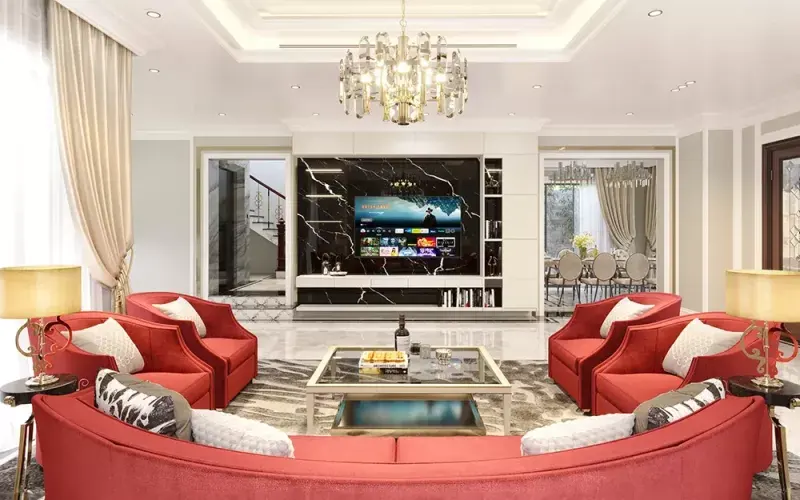
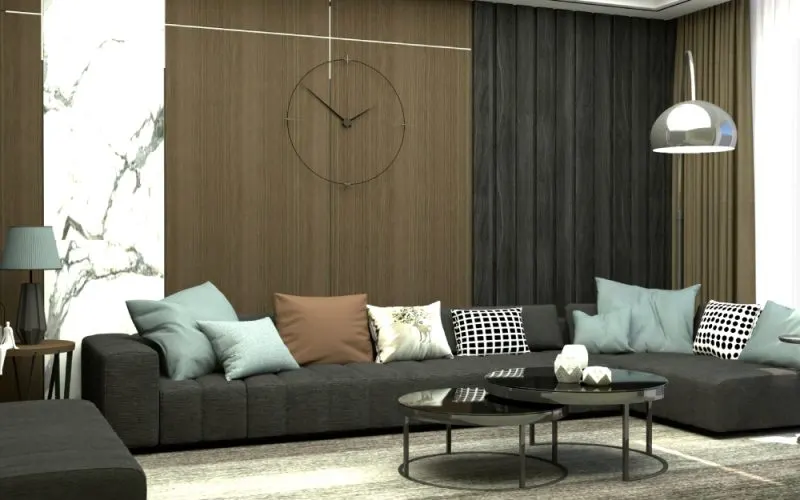
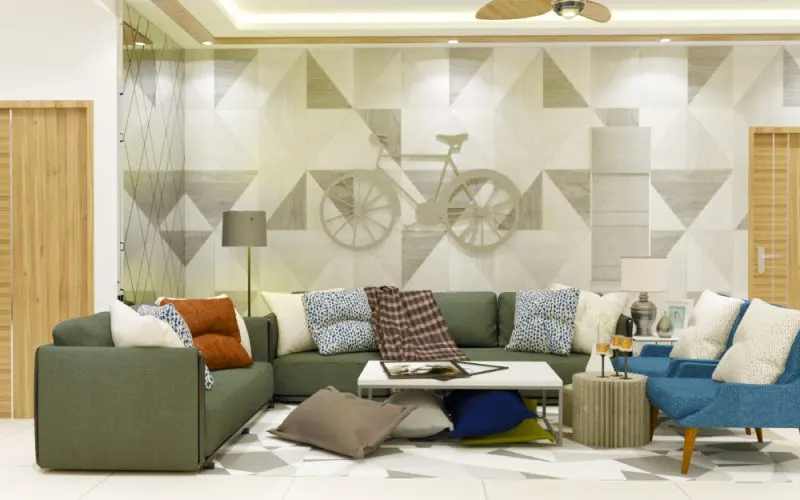
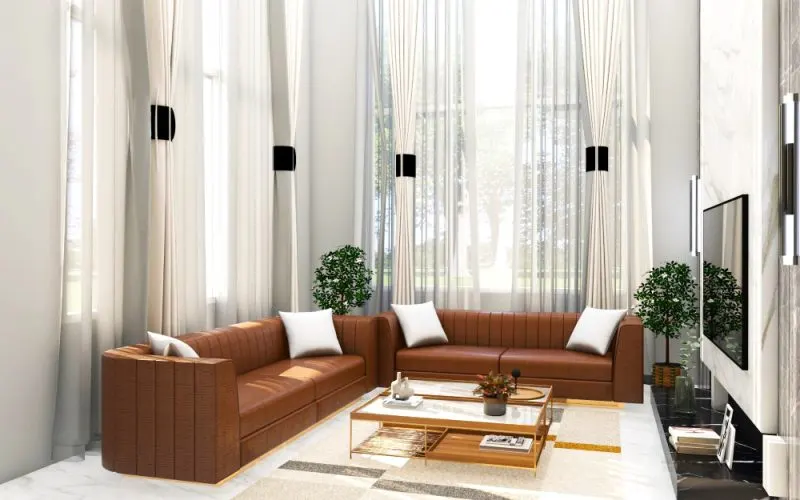
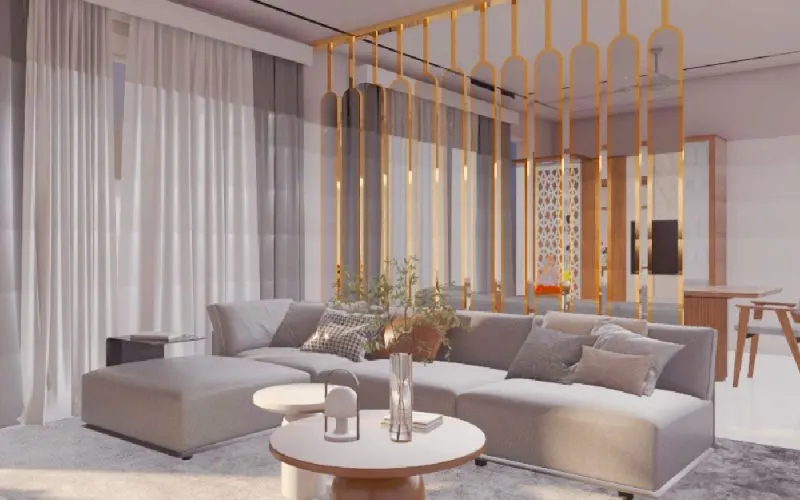
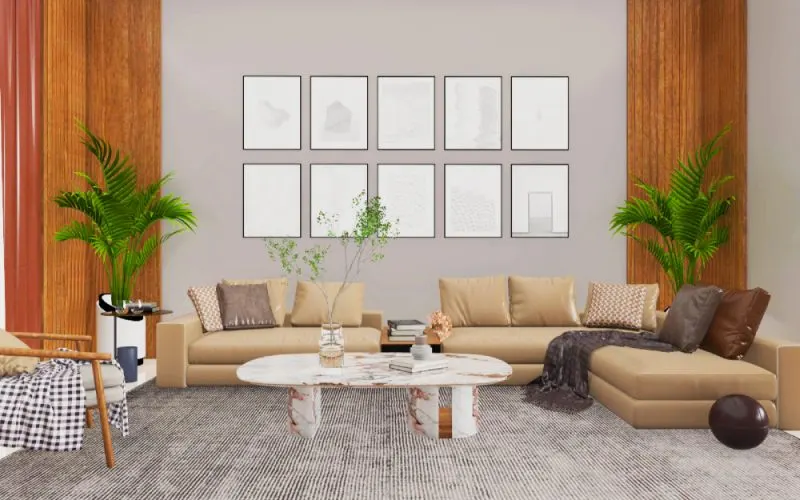
Open plan designs are becoming more popular and are a great way to combine the living room, dining room and kitchen into one space so that the home appears lighter and larger. For smaller apartments, L-shaped seating is a great idea if you want to make the best use of corners; U-shaped seating is perfect for larger families or homeowners that entertain guests regularly. For smaller living rooms, fewer and more proportionate furniture items can add a sense of larger space than may be able to be achieved with the addition of more furniture.
When planning the living room interior, you can create a room that is comfortable and relaxed for the long-term, and not just on the day the work is completed.
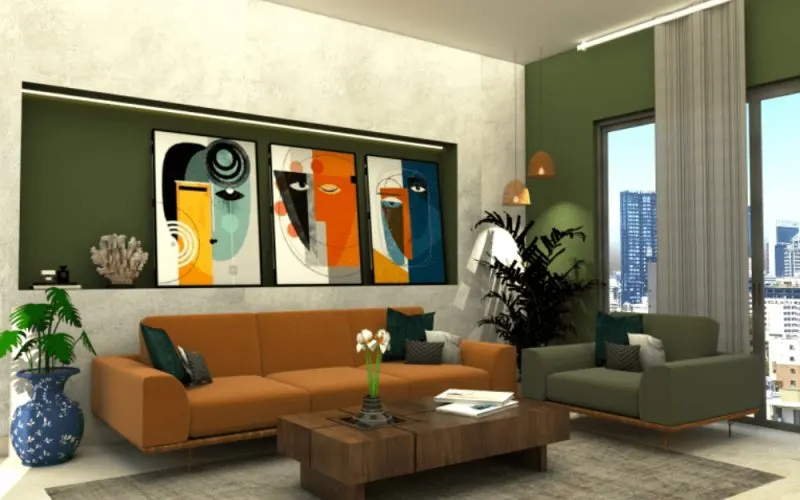
Rather than the colours that are hot, consider the dimensions of the room, the natural light that it receives, and the decor style of your house. Lighter hues will help keep a space open if it’s too dark in the living room, for instance. Having a balanced and perfect colour palette will ensure that the design will remain timeless, always looking fresh irrespective of design changes.
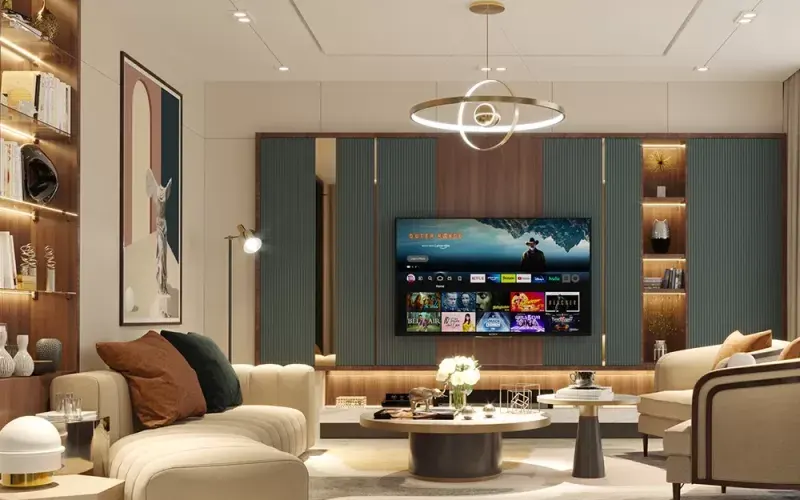
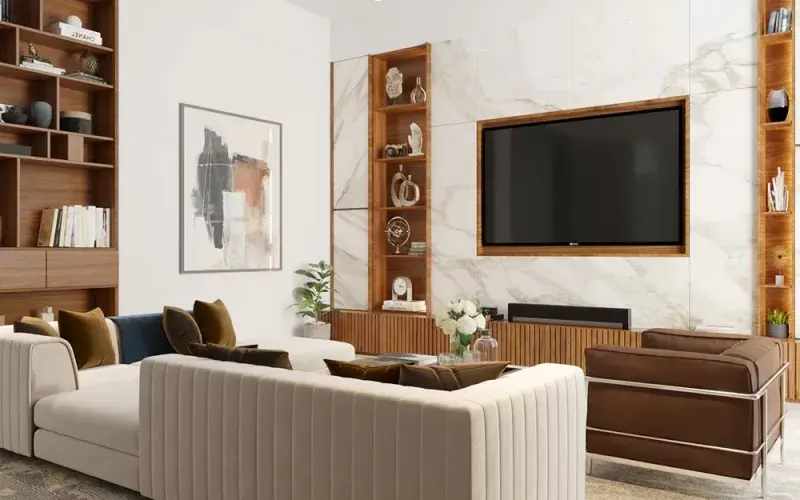
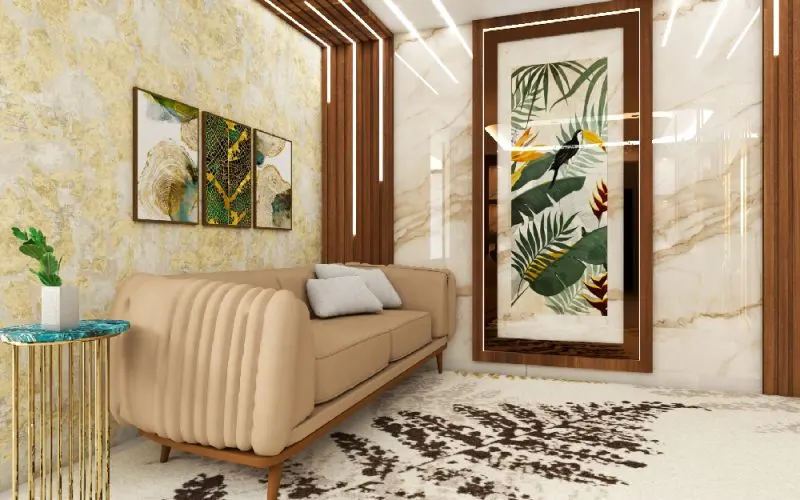
One element is always present that attracts people’s attention and unifies the living room. This can be a beautiful TV stand with fluted wall panels, wood veneered panels, marble, or a custom designed display wall.
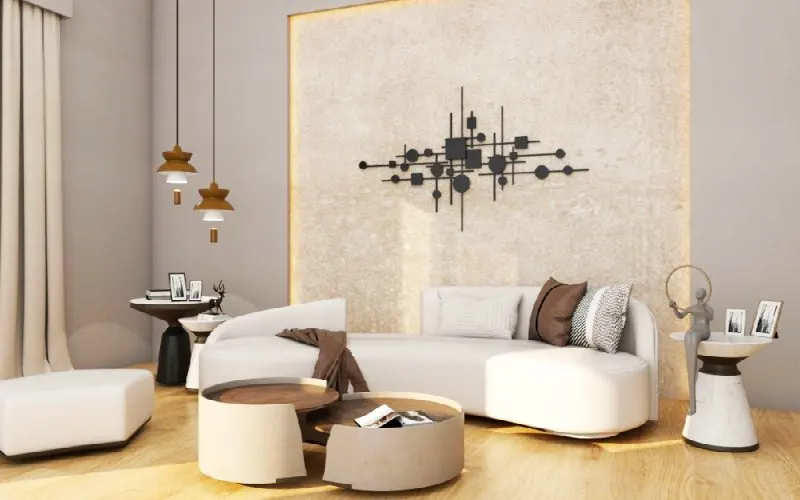
A focal point should not be the center of attention; it is meant to help balance it. After the main feature, other furniture, decor, and lighting can enhance the main feature without calling attention to themselves. When it comes to interior design, sometimes less is more, and that is certainly the case in this instance.
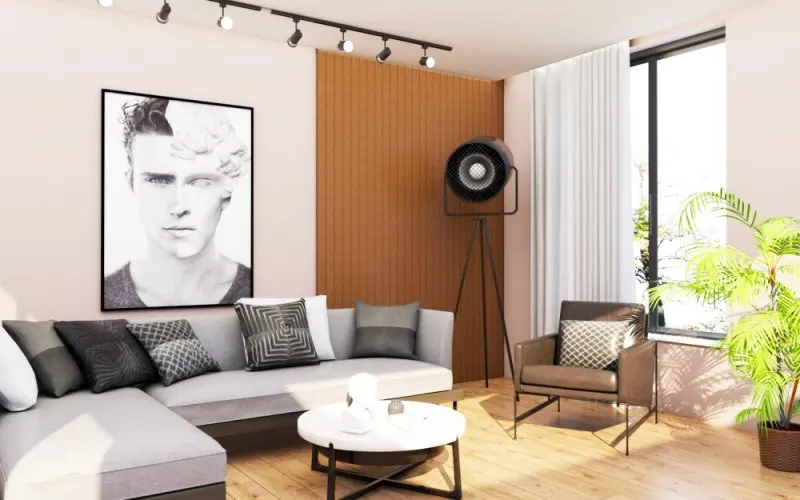
Lighting can really make a difference to a living room’s ambiance. The room will be lit up by natural light during the day, but artificial light will need to be planned to meet the needs of different activities and times in the day.
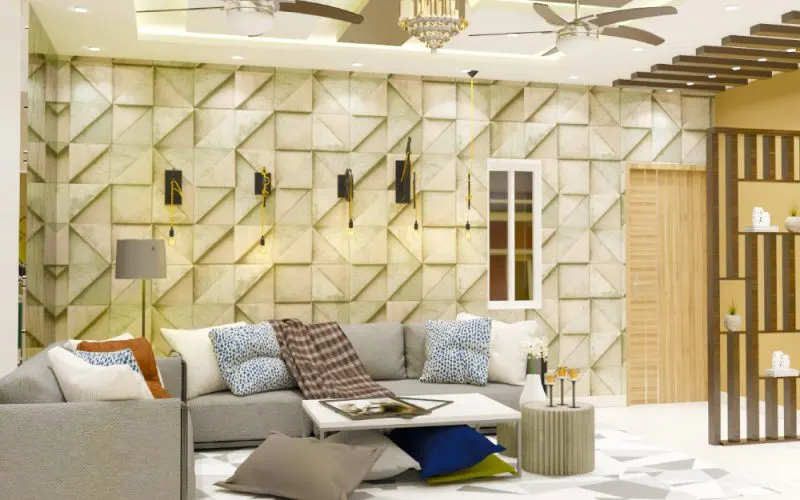
Keep only one light fixture (the ceiling fixture) and attempt to layer lighting. Ceiling lights provide general lighting, while wall and pendant lights will add character to your room; floor and even LED strip lights will provide warmth during the evening.
Having a well organised living room interior always looks bigger and more inviting. Consider what items you use often in your storage design before you finish. There is a special place for TV units, remotes, chargers, books, children’s toys, blankets and board games. By making preparations for these common items up front, you can keep your living room clean and well organised, with little effort.
Not all rooms are the largest or most luxurious, but they can be the most memorable living rooms. Each design decision will need to be functional, give the space the proper balance of comfort and lifestyle, and will need to be beautiful after move-in.
At Homzinterio, our interior design knowledge and expertise help create homes that reflect your aesthetic preferences while delivering functional living spaces. Each dwelling is designed for people: how they will fit, how it will be lit, how it will be organized for storage, how the materials will be used, how they will be utilized on an everyday basis. We focus on creating interiors that are practical, inviting, and designed to stand the test of time. The result is a beautiful living room that will be comfortable, functional, and last for years to come.
Bedroom Interior Design | Dining Room Design | Study Room Design| Pooja Room Design | Foyer Room Design| Kitchen Interior Design | Vanity Room Design | Wardrobe Closet Design | Kids Room Design | TV Unit Design | Balcony Interior Design | False Ceiling Design | Partition Design | Crockery Unit Design | All Themes
Interior designing for a living room can be acquired in these certain steps-
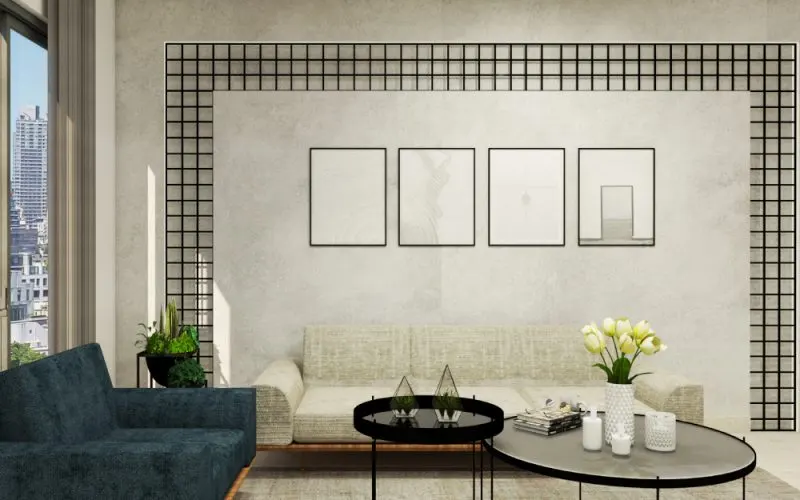
Modern style living room design functionally reduces the number of profuse amount of ornaments to decor the room.
* High-ceilings are classy
* Minimalistic furnitures are elegant
* Natural lightning and airy spaces are adored element.
Living rooms require a visual balance to make peace with the space and the people living in it. 2/3 rule for living room directs the designs of the room to be vertically aligned:
For Living room, creation of a focal point of the room with reflecting theme of the room is a key consideration.
While there is no limitation of seating arrangements in a living room, it depends upon the family's personal choices or health concerns that might suggest how long to rest in a lounge or in what conditions.
A side table in a living room depends on the system structure and main seating equipments that are constructed in the space. With one big sofa, two side tables within the reach is highly recommended.
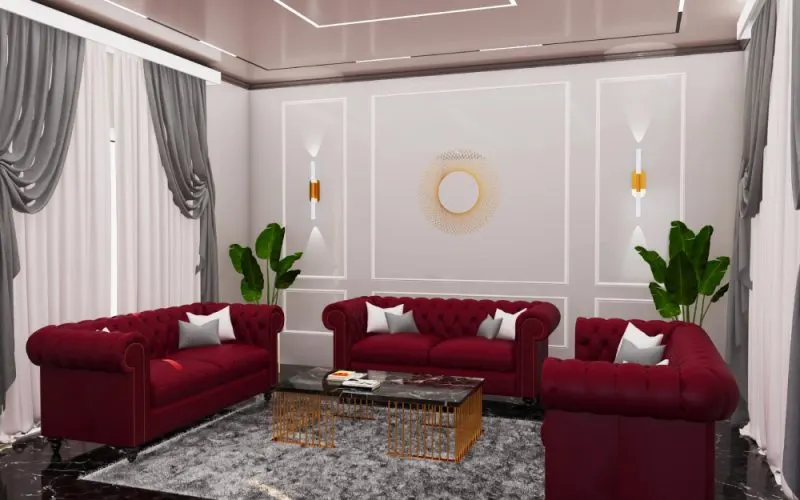
Formal living room is basically structurized to entertain guests or host interactions with others rather than family oriented time living room.
To add a quirky interest to a living room:
The essential furnitures for a living room should be classified according to the theme of the space selected. However, some common interior products that can be used are: a good sofa, table, suitable lamp, natural plants, firepit, etc.
For a compelling wall in the living room, one can use:



[smartslider3 slider=”20″]
[smartslider3 slider=”19″]
[smartslider3 slider=”18″]
[smartslider3 slider=”17″]
[smartslider3 slider=”16″]
[smartslider3 slider=”15″]
[smartslider3 slider=”14″]
[smartslider3 slider=”13″]