
Transitional Theme Interior Design: where modern meets classic elegance
Transitional Theme Interior Design: where modern meets classic elegance
In the vast lexicon of interior architecture, few styles offer the enduring appeal and versatile sophistication of transitional-theme interior design. For the seasoned designer with over a decade of experience, this theme is often regarded as the “perfect middle ground.” It is a balanced and harmonious fusion of traditional and contemporary styles, successfully marrying the timeless elegance of the past with the clean lines and simplicity of the present. The result is a living space that feels curated, comfortable, and profoundly sophisticated.
Transitional design is not merely a compromise; it is an intentional dialogue between eras. It takes the “best of both worlds,” the warmth and history of classic design and the uncluttered, airy feel of modernism, to create an environment that transcends fleeting trends.
The Architectural Ethos: A Study in Balance
A transitional space is defined by its sense of equilibrium. A designer approaching this theme focuses on creating a balanced layout where no single element overwhelms the other.

The Fusion of Form
The silhouette of a transitional room is a rhythmic mix of clean lines and classic curves. While the structural “shell” may feature the crown moldings and wainscoting characteristic of traditional architecture, the furniture placed within it often leans toward the geometric simplicity of contemporary design. This juxtaposition ensures the space feels historic but never dated, and modern but never cold.
Ample Lighting: The Great Connector
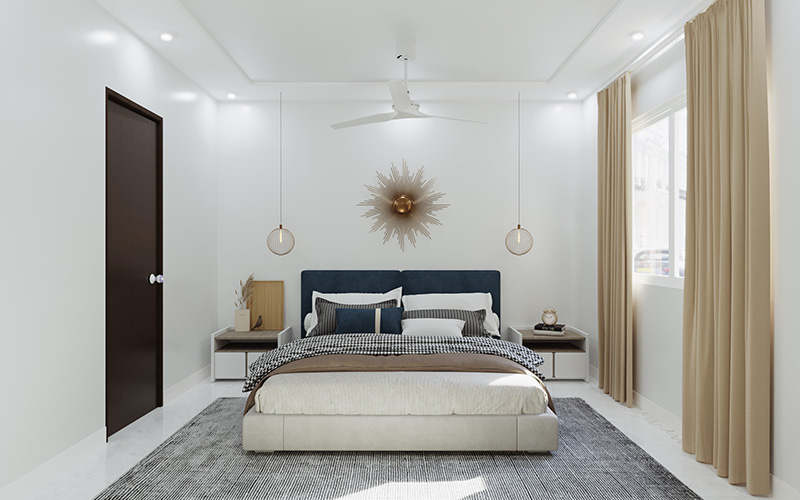
A hallmark of a high-end transitional home is ample lighting. Designers use a layered approach, combining grand traditional fixtures such as a tiered chandelier with sleek, modern lighting like recessed spotlights or geometric pendant lamps. This mix of sources ensures the room is bright and welcoming, highlighting the varied textures throughout the space.
The Palette of Sophistication: Neutrals and Subtlety
The color story of a transitional interior is one of restraint and elegance. By utilizing a neutral color palette, designers create a serene backdrop that allows the mix of styles to speak for themselves.

- The Canvas: Whites, creams, beiges, and soft greys form the foundation. These tones maximize the sense of space and light.
- The Tonal Shift: Depth is achieved through a monochromatic layering of these neutrals. A designer might pair a light taupe wall with a darker mushroom-toned sofa, creating a rich, subtle contrast that feels cohesive.
- Subtle Patterns: In place of bold, jarring prints, transitional theme design favors subtle patterns. Think delicate pinstripes, soft damasks, or low-contrast geometric weaves that add visual interest without disrupting the calm atmosphere.
Materiality and Comfort: The Tactile Experience
In a transitional home, the materials are as much about their physical feel as their aesthetic impact. A mix of materials is essential to providing the depth that this style requires.

Comfortable Upholstery
Furniture in this theme is characterized by comfortable upholstery. Designers favor “sink-in” sofas and plush armchairs with clean lines. These pieces are often finished in high-quality natural fabrics that offer mixed textures, such as a smooth linen-blend sofa paired with a chunky wool throw.
The Intersection of Wood and Metal
The contrast between different “hard” materials is a recurring theme in transitional design.
- Wood & Metal: A classic wooden dining table might be paired with contemporary chairs featuring sleek metal legs.
- Stone & Glass: A marble-topped coffee table with a contemporary glass base provides a sophisticated intersection of traditional weight and modern lightness.
Curating the Character: The Art of the Mix
The success of a transitional room lies in the intentionality of the classic and contemporary furniture selection.

- Heirlooms & Modernity: A designer may place a vintage, hand-carved console table underneath a piece of large-scale abstract art. This creates a focal point that honors history while celebrating modern creativity.
- The “Clean Line” Traditionalist: Traditional furniture shapes, such as a wingback chair, are often updated for transitional spaces with modern, solid-colored fabrics and simpler wooden legs, stripping away the “heaviness” of the original design.
Final Professional Perspective: The Luxury of Timelessness
Transitional-theme interior design is far more than a trend; it is an exercise in architectural harmony. For the modern inhabitant in 2026, it offers the ultimate luxury: a home that never feels out of fashion. By embracing a neutral color palette, a mix of materials, and a balanced layout, designers create a space that is as functional as it is beautiful.
It is a style that adapts to the changing seasons of life, providing a sophisticated and comfortable sanctuary that feels uniquely personal and undeniably timeless.
FAQ About Transitional-Theme Interior Design
1. What is the transitional interior design style?
Transitional interior design is a blend of modern and traditional styles, combining classic elegance with contemporary simplicity to create a timeless and balanced look.
2. What are the key features of transitional interior design?
It includes neutral color palettes, clean lines, minimal ornamentation, soft textures, and a mix of classic and modern furniture.
3. Is transitional interior design suitable for modern homes?
Yes, transitional design works perfectly in modern homes, as it offers a sophisticated yet comfortable feel without being too traditional or too minimal.
4. What colors are commonly used in transitional interiors?
Neutral tones like beige, cream, taupe, grey, and soft whites are commonly used, often accented with subtle metallics or darker shades.
5. How is transitional design different from contemporary design?
Contemporary design focuses more on current trends and minimalism, while transitional design balances modern simplicity with traditional warmth and details.
6. What type of furniture suits a transitional home?
Furniture with clean lines but soft edges, upholstered pieces, and a mix of wood and metal finishes works best in transitional interiors.




This CBD lubricator stands out because of its smooth-spoken texture and balanced taste. The keep in check motif is silky and useable, and the dropper works on the nail without dripping. It feels like a well-crafted product made with publicity to factor, from labeling to packaging.