The Return of the Arch: Why Curves Are Shaping Modern Interiors
The Return of the Arch: Why Curves Are Shaping Modern Interiors
For over a decade, interior design was dominated by the “clean line” a polite way of describing sharp rectangles, grid-like layouts, and clinical geometry. But as we move through 2026, a “soft revolution” is taking place. The rigid edges of the past are yielding to the organic flow of the arch.
From sweeping structural doorways to “puddle” mirrors and kidney-shaped sofas, curves are reclaiming their place as the ultimate symbols of elegance and emotional warmth. Here is why the design world is rounding the corner and how you can too.
1. The Science of Softness: Why We Love Curves
The shift toward rounded forms isn’t just a fleeting fashion; it is rooted in neuroaesthetics. Our brains are biologically hardwired to respond to shapes in specific ways.
- The Safety Response: Sharp angles can trigger a subconscious “micro-stress” response, associated with thorns or jagged rocks. In contrast, curved lines signal safety and approachability.
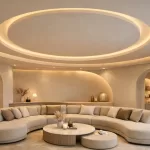
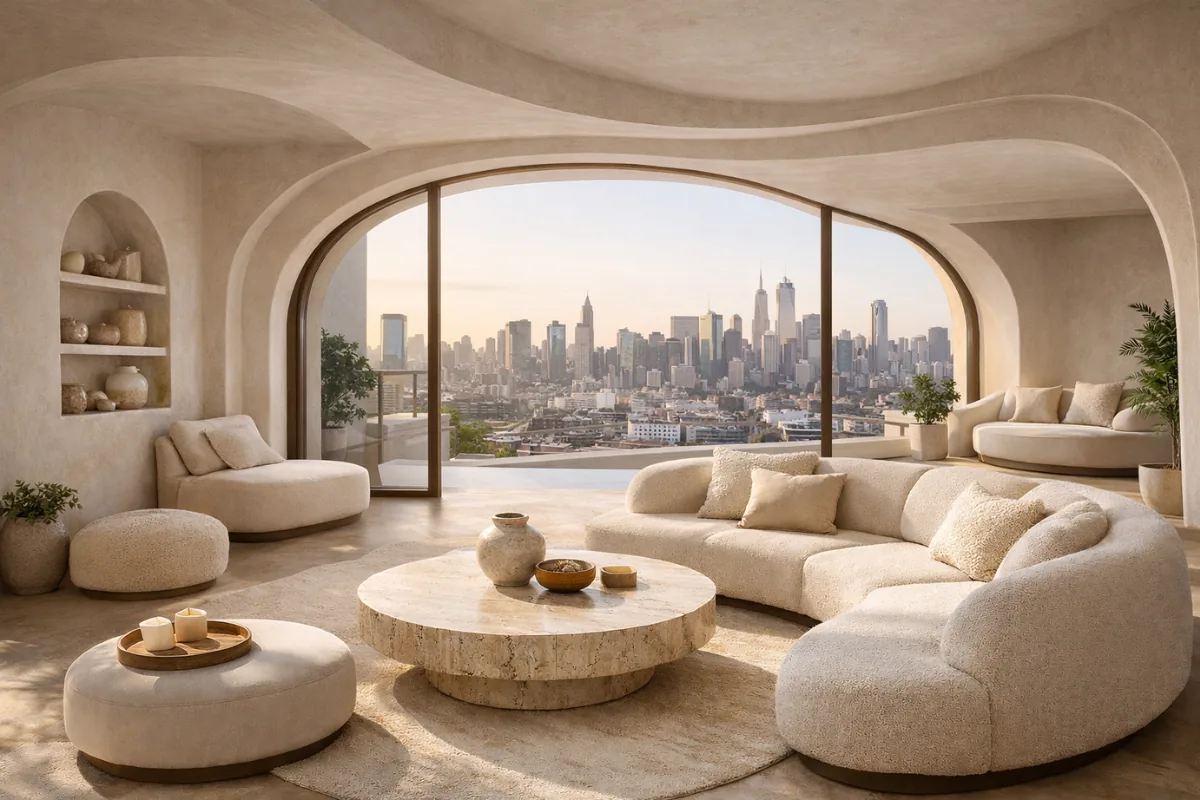
- The “Hug” Effect: Circular seating and curved walls create an enveloping sensation. This “cocooning” effect is a major pillar of wellness-focused design, making a home feel like a sanctuary rather than a showroom.
- Biophilic Connection: Curves echo the natural world rolling hills, river stones, and the human form. By removing 90-degree angles, we align our interiors with the flow of nature.
2. Architectural Grace: The Power of the Arch
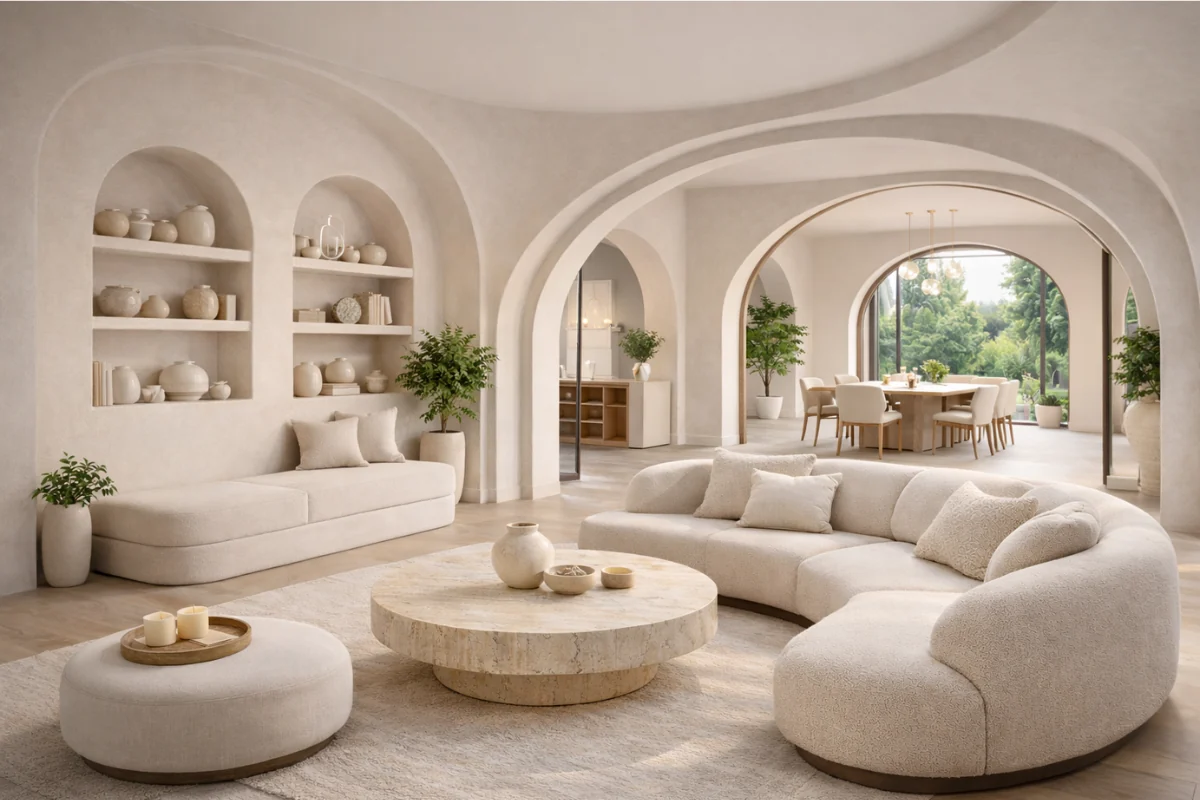
The arch is one of the oldest architectural elements in history, from Roman aqueducts to Moorish palaces. Today, it is being used to break the “boxiness” of modern floor plans.
Arched Entryways and Windows
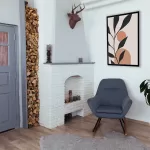
Replacing a standard squared-off doorway with a soft radius arch completely changes the character of a home. It acts as a permanent picture frame, turning the view of the next room into a curated piece of art.
Arched Niches
Built-in recessed shelves with rounded tops are a sophisticated way to add depth to a flat wall. They provide a “gallery” feel for books and decor, using shadows to create a sense of architectural history in a new build.
3. Beyond Aesthetics: The Functional Benefits
While curves are undeniably beautiful, they offer practical advantages that improve daily life:
- Improved Spatial Flow: Straight lines act as visual “stops.” Curves lead the eye on a journey, helping spaces flow seamlessly into one another. This is particularly effective in open-plan homes where you want to define zones without using harsh barriers.
- Safety and Ergonomics: For families with children (or those of us prone to bumping into things), rounded furniture is a godsend. Eliminating sharp corners on kitchen islands and coffee tables reduces physical hazards and improves “walkability.”
- Acoustic Comfort: Curved surfaces help diffuse sound waves more evenly than flat, parallel walls, reducing echoes and making large rooms feel more intimate.
4. How to Incorporate Curves Into Your Home
You don’t need a full-scale renovation to embrace this trend. You can layer curves into your design at various levels:
Level 1: Statement Furniture
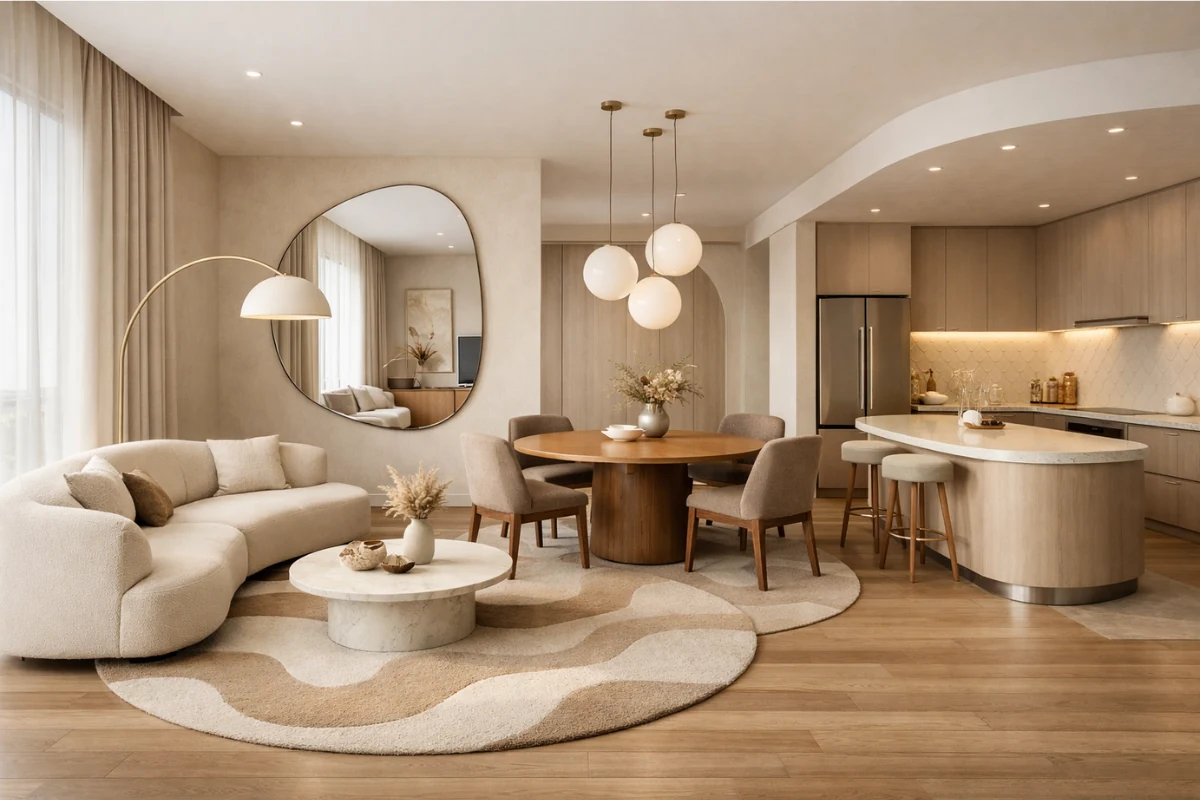
If you want a focal point, look for an organic-shaped sofa or a circular dining table. A round table is a functional masterpiece it eliminates the “head of the table” hierarchy and encourages better eye contact and conversation.
Level 2: Modern Accents
Mirrors: Swap a rectangular bathroom mirror for an oversized oval or an “asymmetrical puddle” mirror.
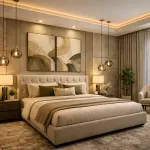
Lighting: Globe pendants, mushroom lamps, and arched floor lamps that lean gracefully over a reading nook bring structural interest to a room’s upper half.
Rug Geometry: Use circular or wavy-patterned rugs to ground a room and break up the grid of hardwood or tile flooring.
Level 3: Kitchen & Bath
In traditionally “hard” rooms, introduce curves through rounded kitchen island end-caps or scalloped backsplash tiles. These small shifts make the most functional areas of the home feel soft and welcoming.
5. The Golden Rule: The Balance of Geometry
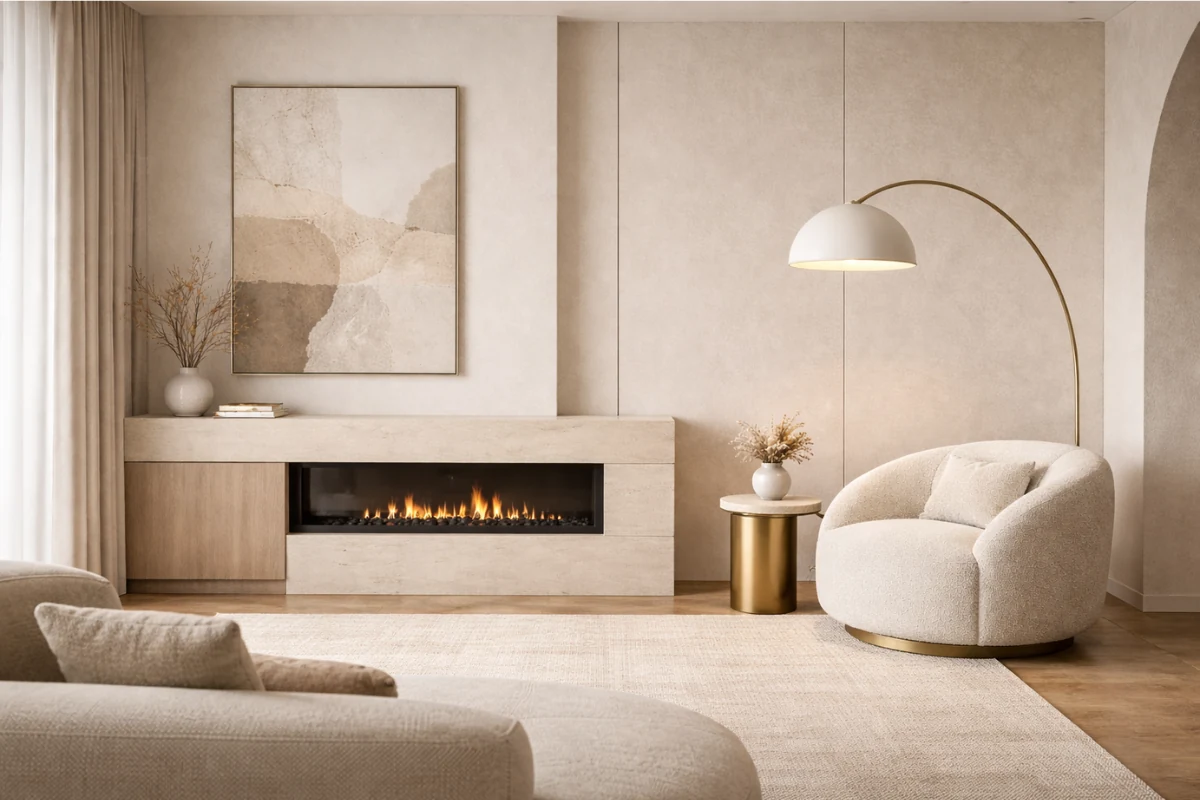
The secret to making curves look high-end rather than “themed” is contrast.
Final Thought: A Shift Toward the Human
The return of the arch represents a move toward homes that prioritize emotional connection over clinical perfection. By embracing the curve, we are creating spaces that don’t just look beautiful on a screen, but feel right to the human spirit.
Ready to round out your space? I can help you find specific furniture pieces or color palettes that make these curved elements truly shine in your current floor plan. Would you like to start there?