How to Choose the Right home interior lighting design for Every Room: From Ambient Glow to Smart Tech
How to Choose the Right home interior lighting design for Every Room: From Ambient Glow to Smart Tech
Ever walked into a room and felt instantly relaxed, only to walk into another and feel like you’ve just stepped onto a surgical stage? That’s the power of lighting.
At Homzinterio, we believe lighting is the “secret sauce” of interior lighting design for every room. It’s the difference between a house that looks good and a home that feels like a sanctuary. Whether you’re looking to revamp your cozy Bangalore apartment or designing a sprawling villa, getting the light right is non-negotiable.
In this ultimate guide, we’re breaking down everything you need to know about home lighting design in 2026 from room-by-room tips to the magic of smart lighting.
1. The Golden Rule: Layer Your Lighting
Before we dive into specific rooms, let’s talk about the foundation of professional design: Layering. Relying on a single tube light or a central bulb is a recipe for flat, uninviting spaces. To create depth, you need three layers:
- Ambient Lighting: The base layer. This provides general illumination so you can move around safely. Think recessed lights or a central chandelier.
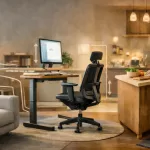
- Task Lighting: Functional light for specific activities, reading in bed, chopping veggies in the kitchen, or finishing that 2 AM report in your home office.
- Accent Lighting: The “drama” layer. It highlights architectural features, your favorite painting, or a textured wall.
2. Lighting the Living Room: Your Home’s First Impression
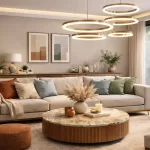
The interior lighting design for living room is the multi-tasker of the house. It’s where you host parties, watch Netflix, and occasionally take a Sunday nap. Your lighting needs to be just as flexible.
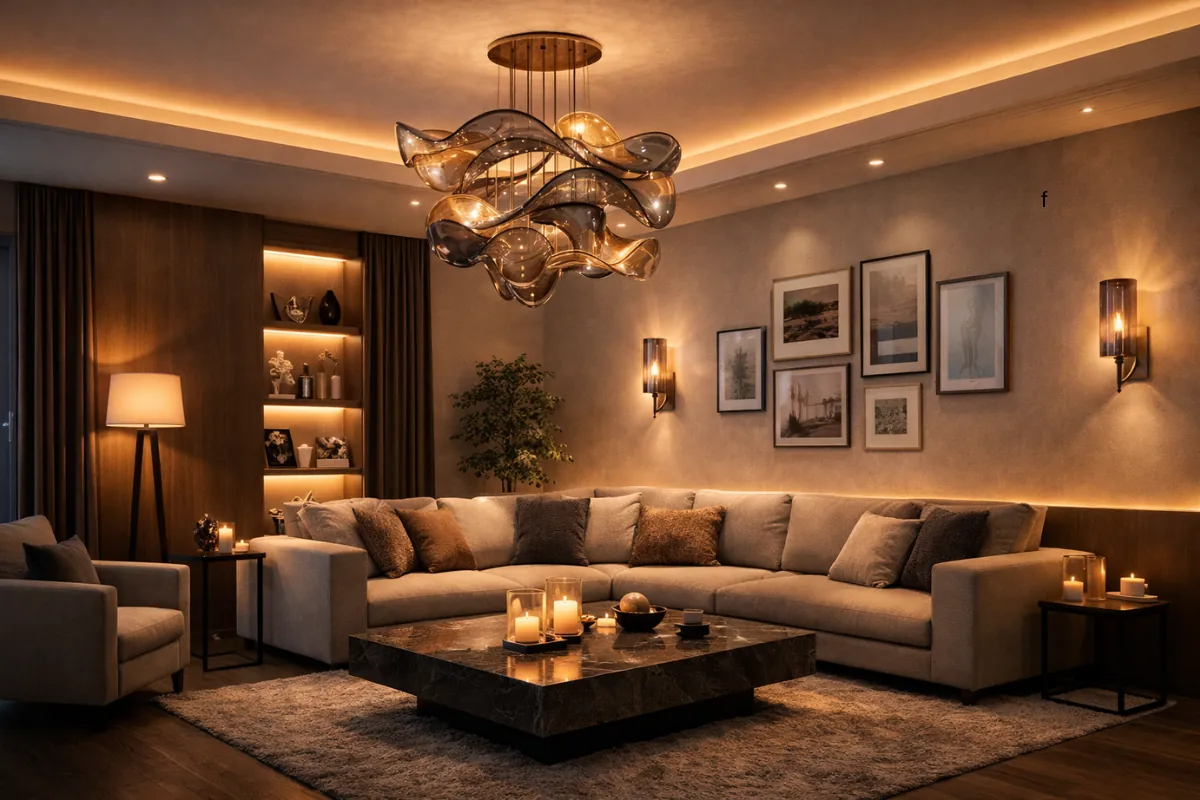
The Statement Piece
Start with a statement chandelier or an oversized pendant light. In 2026, we’re seeing a shift toward sculptural, organic shapes, think fluid lines and mixed materials like brass and smoked glass.
Create "Mood Pockets"
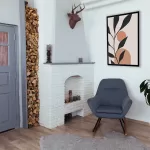
- Floor Lamps: Place a sleek floor lamp next to an armchair to create a cozy reading nook.
- Wall Sconces: These are perfect for framing a sofa or highlighting a gallery wall without taking up floor space.
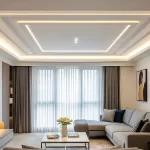
- Cove Lighting: Use LED strip lights hidden in a false ceiling to give the room a soft, futuristic glow that makes the ceiling feel higher.
Homzinterio Tip: Always use warm white bulbs in the living room. It makes skin tones look better and the atmosphere feel much more inviting!
3. The Kitchen: Precision and Style
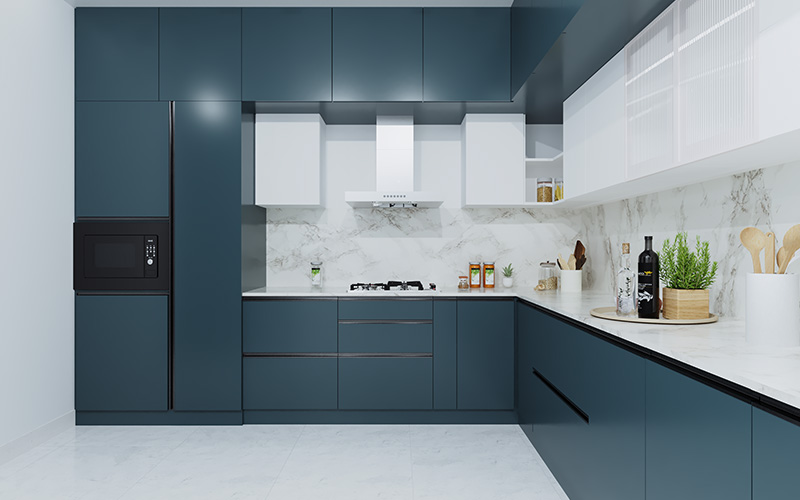
If the living room is for relaxing, the Interior lighting for kitchen is for “doing.” Shadows are your enemy here, especially when you’re handling sharp knives.
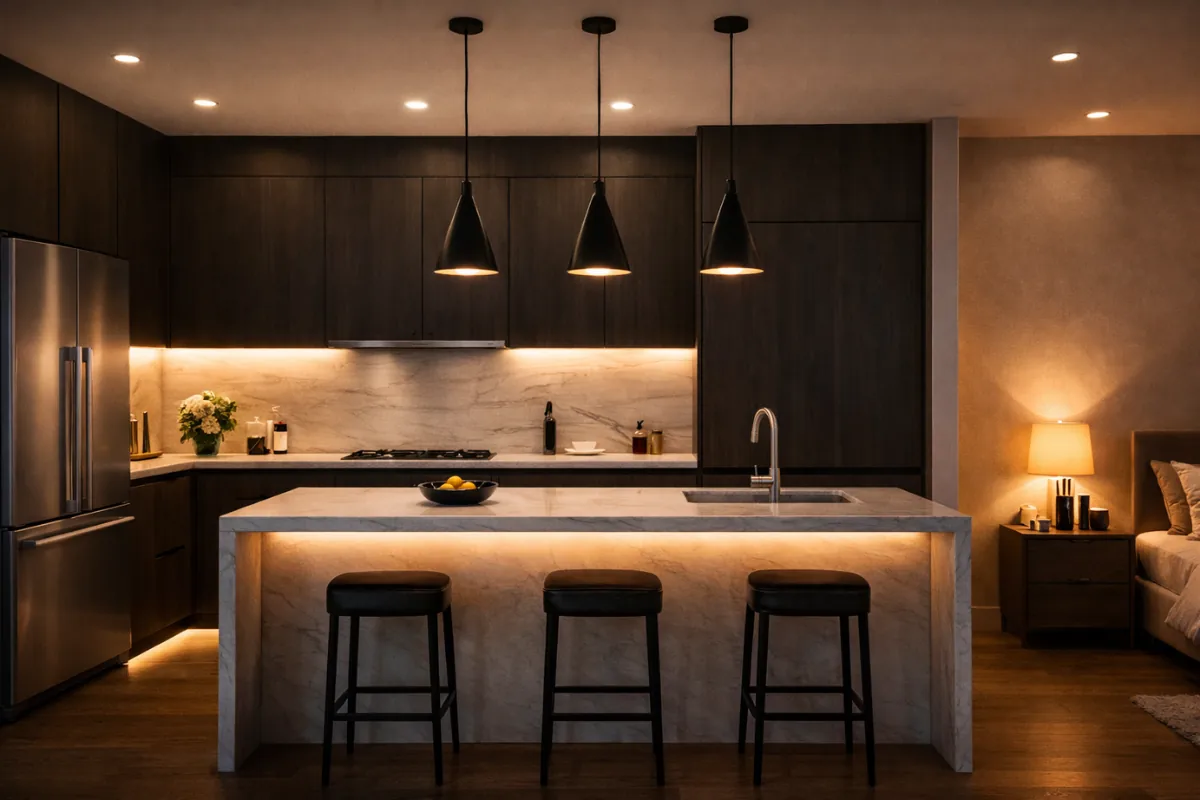
Focus on the Counters
Under-cabinet LED strips are a lifesaver. They provide shadow-free task lighting exactly where you’re prepping food. Plus, they look incredibly high-end at night.
The Island Glow
If you have a kitchen island or a breakfast counter, pendant lights are a must. Hang them in groups of three for a balanced look.
- Pro Tip: Ensure the bottom of the pendant is about 30 to 36 inches above the counter so it doesn’t block your view but still lights up your plate.
4. The Bedroom: Your Personal Sanctuary
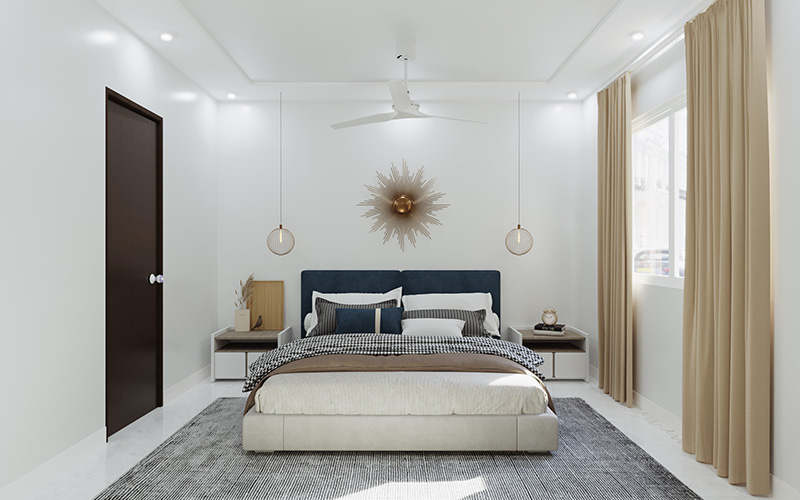
In the Interior lighting for bedroom, the goal is to wind down. Harsh, bright lights are a big “no.”
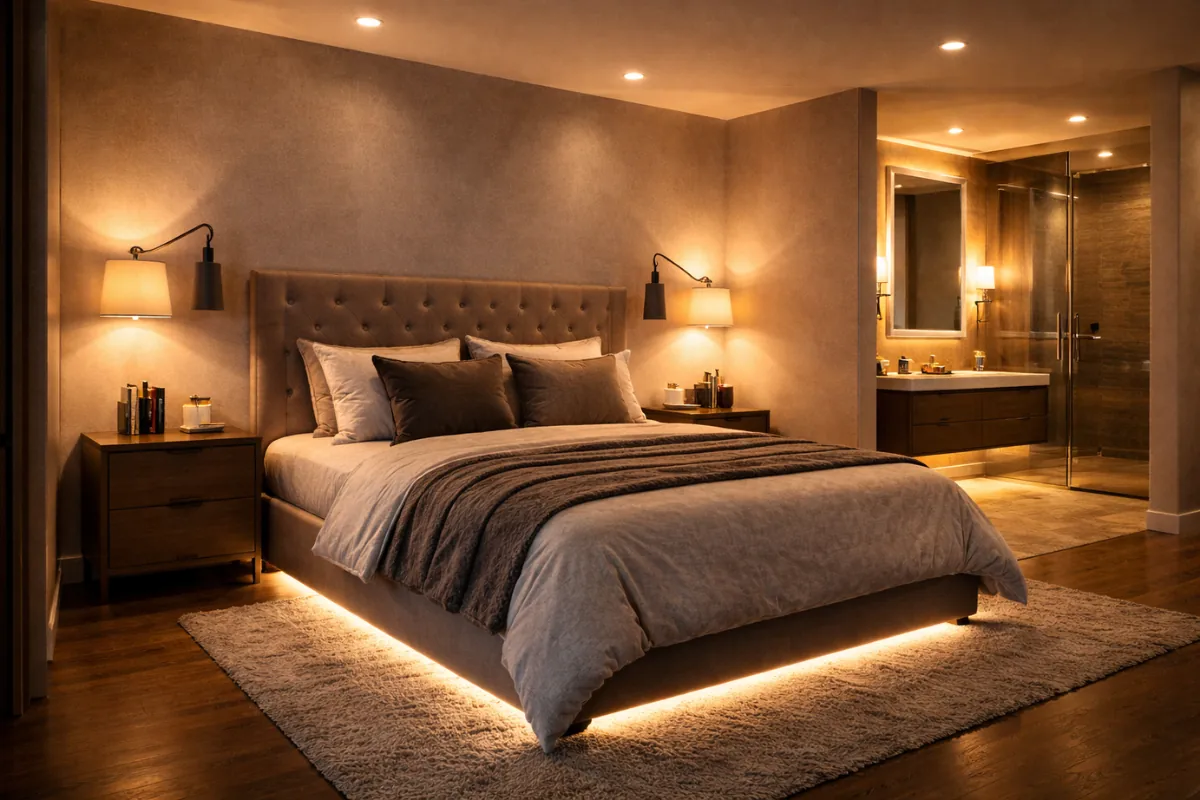
Ditch the Nightstand Clutter
Wall-mounted swing-arm sconces are trending bedroom lighting in 2026. They free up your nightstand for books and water, and you can adjust the light perfectly for reading.
The "Hotel Feel"
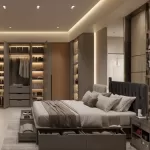
To get that luxury hotel vibe, add toe-kick lighting (LED strips under the bed frame or at the bottom of the wardrobe). It provides a soft, low-level glow that acts as a perfect nightlight without waking you up fully.
5. The Bathroom: Flatter Yourself
Nobody wants to see scary shadows under their eyes at 7 AM.
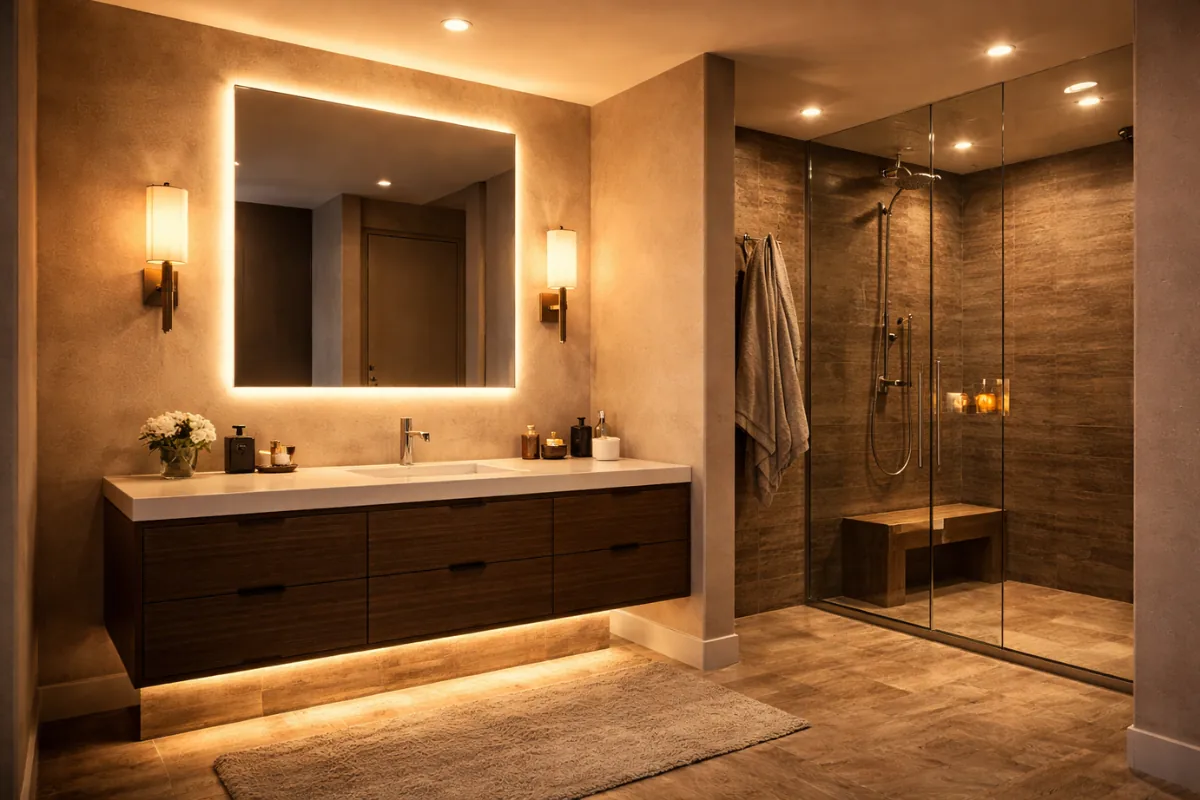
- Avoid: Placing a single light directly above the mirror. This creates heavy shadows.
- Adopt: Vertical sconces or “vanity lights” on either side of the mirror. This provides even light across your face, making grooming and makeup application much easier.
6. Smart Lighting: The Future is Here
If you aren’t using smart lighting in 2026, you’re missing out on the easiest way to upgrade your lifestyle.
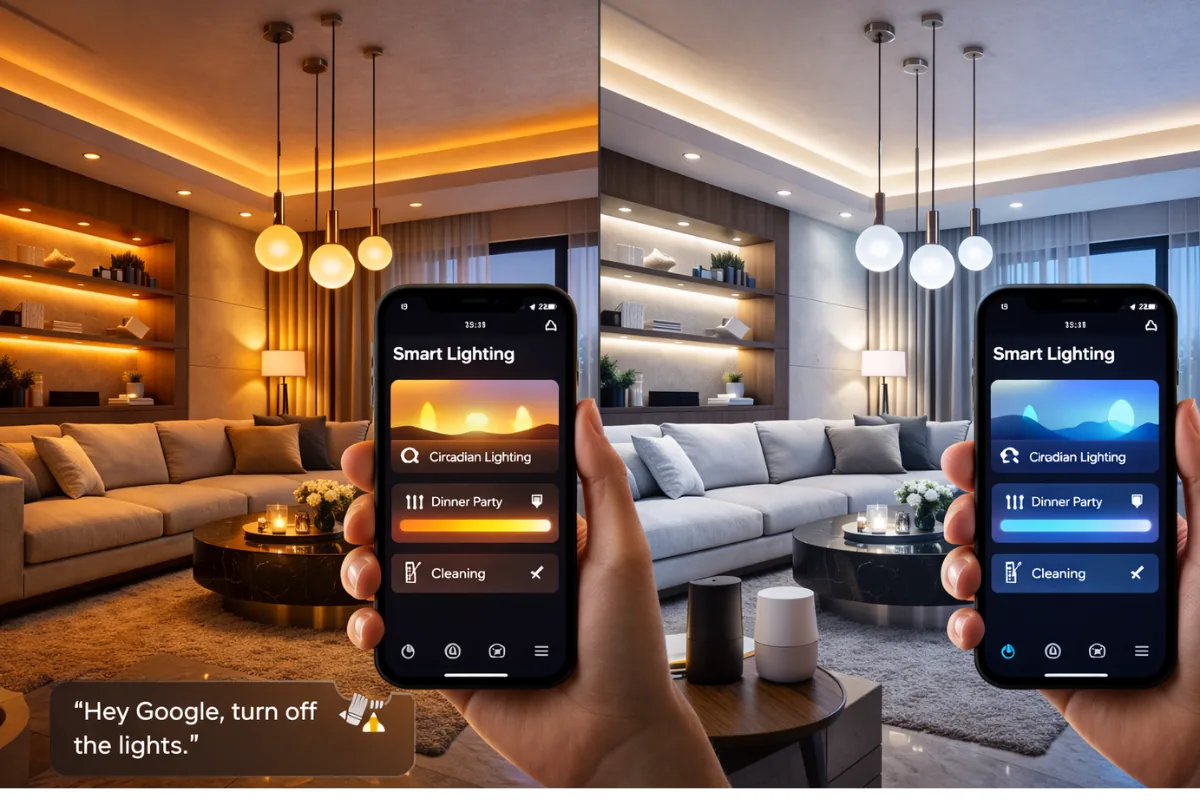
Why Go Smart?
- Scene Setting: With one tap, you can change your “Dinner Party” mode (warm, dimmed, soft) to “Cleaning Mode” (bright, cool, energized).
- Circadian Lighting: Smart bulbs can mimic the sun starting with cool, bright light in the morning to wake you up and shifting to warm, amber tones in the evening to help you sleep.
- Voice Control: “Hey Google, turn off the lights.” Need we say more?
7. Trends to Watch in 2026
- Sustainable Materials: Hand-woven rattan, recycled glass, and ethically sourced wood are huge this year.
- Hidden Tech: Lights that are built directly into furniture or hidden in architectural niches.
- Mixed Metals: Don’t be afraid to mix a matte black floor lamp with a brushed gold chandelier. It adds a curated, designer feel to the room.
Lighting Requirements at a Glance
| Room | Primary Light Type | Color Temperature | Pro Tip |
|---|---|---|---|
| Living Room | Ambient + Accent | Warm White (2700K) | Use dimmers for movie nights. |
| Kitchen | Task + Ambient | Neutral White (4000K) | Under-cabinet LEDs are essential. |
| Bedroom | Soft Ambient | Extra Warm (2400K) | Use bedside sconces to save space. |
| Home Office | Task | Cool White (5000K) | Position light to avoid screen glare. |
Conclusion: Ready to Brighten Your Home?
Lighting is more than just a fixture; it’s an experience. It has the power to make a small room feel spacious and a cold room feel cozy. But we know—choosing between lumens, Kelvins, and styles can be overwhelming!
That’s where we come in. At Homzinterio, our expert designers don’t just pick furniture; we craft environments. From the perfect false ceiling LED layout to selecting that “wow” chandelier, we handle it all.
Would you like me to schedule a free design consultation to help you plan the perfect lighting for your home?
Frequently Asked Questions About Home Lighting Design
1. What lighting is best for inside a house?
The best lighting for a house is layered lighting that combines ambient, task, and accent lighting. Warm white works best for living rooms and bedrooms to create a cozy feel, while neutral white suits kitchens and workspaces. A well-planned home lighting design ensures balanced brightness, reduces glare, and enhances comfort while highlighting your interior design elements.
2. What are the lighting concepts for interior design?
The core concept of interior lighting design is layering light to create depth and functionality. This includes ambient lighting for overall illumination, task lighting for specific activities, and accent lighting to highlight architectural features or décor. Good lighting design also considers color temperature, light intensity, fixture placement, and energy efficiency to complement the overall interior theme.
3. What is the new trend in lighting?
The latest trend in home lighting design includes smart lighting systems, hidden LED strip lighting, minimalist fixtures, statement pendants, and circadian lighting that mimics natural daylight. Cove lighting and warm, soft-glow lighting are also popular in modern interior lighting design, creating luxurious yet comfortable spaces.
4. What light fixtures are outdated?
Heavy crystal chandeliers in compact spaces, overly ornate fixtures, cool blue LED lighting (above 5000K) in living areas, bulky fluorescent tube lights, and mismatched multi-color lighting are considered outdated. Modern interior lighting design favors sleek, minimal fixtures, concealed lighting, and warm, cohesive illumination.
5. What are the five types of interior lighting?
The five types of interior lighting are ambient lighting (general illumination), task lighting (focused lighting for activities), accent lighting (highlighting décor), decorative lighting (aesthetic fixtures), and natural lighting (daylight integration). A strong home lighting design strategically combines all five for a balanced and visually appealing interior lighting design.
6. How many lights should I put in a room?
The number of lights depends on room size, ceiling height, and purpose. As a general rule in interior lighting design, use one ambient source plus additional task or accent lights for every 40–50 sq. ft. Proper home lighting design focuses on brightness levels (lumens) rather than just the number of fixtures to ensure even and functional illumination.